Category: Marketing

  • The Impact of the UK’s New Remote Gaming Duty on Marketing and Advertising Spend in Sports Betting

    The Impact of the UK’s New Remote Gaming Duty on Marketing and Advertising Spend in Sports Betting

    The UK government’s recent move to implement a 40% tax on remote gaming has sent shockwaves throughout the gambling industry, with major implications for marketing and advertising across both sports betting and iGaming.

    Whilst horse racing was seemingly sheltered from a direct increase in duty, the repercussions for horse racing and its centrepiece events, Cheltenham, the Grand National, and Royal Ascot, will be even more severe than many appreciate. This article explores why this is the case, the structural impact on marketing strategy, and the broader effects on the industry ecosystem.

    Sports Betting as a Casino Acquisition Funnel

    In the competitive sports betting landscape, operators have long operated on razor-thin margins due to aggressive overrounds (margins) and price competition.

    For years, sportsbooks have essentially functioned as acquisition engines for casino products, expensively acquired sports customers are cross-sold into iGaming, where customer lifetime value (LTV) is greater.

    Major sporting events, particularly the likes of Cheltenham, have become showcase moments for casino acquisition via sports marketing campaigns.

    The Game-Changer, 40% Remote Gaming Duty

    The new 40% remote gaming duty dramatically diminishes the profitability of iGaming. Marketing teams can no longer justify previous advertising spends if the expected LTV of a customer, factoring in this tax, is now significantly lower.

    Events like Cheltenham, which have historically justified eye-watering above-the-line (ATL) campaigns on the basis of cross-selling sports customers into casino, are particularly vulnerable.

    Operators are now compelled to recalculate ad budgets for these hallmark events, and the reality is that spend will drop precipitously by March 2026.

    Why Horse Racing Marketing Takes the Biggest Hit

    Though horse racing duty remains unchanged, the underlying economic model for bookmakers is fundamentally altered. The promotional intensity and generous pricing around major racing events were only viable because of the iGaming “pot.”

    With the tax effectively capping profit potential, racing events will see a cascade effect: less ATL spend, smaller sponsorship deals, and squeezed budgets for creative and experiential campaigns.

    Paradoxically, there is an argument that the industry’s reliance on major racing events as a feeder for casino activity means horse racing’s marketing ecosystem suffers more from the gaming tax increase than it would have from an incremental increase in racing’s own duty.

    Market Dynamics, Sponsorship, and Affiliate Retraction

    The contraction in advertising will have a domino effect on sponsorship, cycling back into reduced revenues for the sport itself and its media partners. As bookmakers tighten budgets, media and sponsorship assets once buoyed by casino cross-sell economics are now overvalued.

    Dramatic discounts for 2026 are inevitable, and affiliate partners (both in sports and casino) will see significant reductions in both revenue share (due to a smaller core pot) and lower CPA deal values reflecting compressed LTVs.

    Asset Valuation and Broader Industry Impact

    Valuations of company databases and, by extension, the companies themselves, must be reassessed downward.

    The government’s effective “nationalisation” of remote gaming by becoming the biggest net earner from online gaming play, when all costs operators have to bear are considered, means that both the capital returns for operators and the value of their marketing platforms are fundamentally reduced.

    For an industry accustomed to high spending and rapid customer value growth, the new climate makes current KPIs and historic media valuations unsustainable.

    Looking Ahead, An Unsquareable Circle?

    Running the numbers for 2026, operators face a stark reality. They must reassess marketing budgets in line with the new reality.

    The recalibration required by the remote gaming tax forces a total reset in marketing objectives and economics.

    As online bookmakers strive to remain competitive, the pricing available to customers will inevitably become less attractive, and the industry will see an undoubted, dramatic drop-off in media and sponsorship spend, particularly visible in events like Cheltenham, now effectively deprived of their underpinning acquisition rationale.

    Strategic Readjustment and Partner Support

    The path forward requires strategic planning that accounts for the fundamental shift in unit economics. Operators must act decisively before the tax takes full effect, optimising budget allocation to maximise customer value during this critical window.

    Key considerations include front-loading acquisition spend on high-efficiency channels, recalibrating player value expectations based on post-tax revenue models, and reconstructing the marketing mix to prioritise channels with better retention economics and reduced dependency on cross-sell conversion rates.

    Here at Tentenseven, we understand these dynamics and can guide operators through a comprehensive budget optimisation process for 2026.

    By modelling various scenarios, identifying which customer segments retain profitability post-tax, and restructuring campaigns around sustainable acquisition costs, operators can navigate this transition with minimal disruption. Tentenseven’s expertise in iGaming marketing strategy helps clients weight spending strategically before the tax impact fully materialises, assess the true lifetime value of acquired players under the new fiscal regime, and architect a marketing mix that remains competitive and profitable in the transformed landscape.

    Contact Us

  • How Premier League Midfielders Paid for My Dinner — and Why Bookies Dread International Breaks

    How Premier League Midfielders Paid for My Dinner — and Why Bookies Dread International Breaks

    I must have been the only non–Brighton & Hove Albion fan genuinely distraught when Pascal Groß packed his bags for Borussia Dortmund last summer. The German midfielder joined The Seagulls in 2017, scored 30 Premier League goals during his time at the Amex, and quietly became a cult hero for stat-loving punters like me.


    Despite working in the gambling industry for almost fifteen years, I rarely bet. Once a week — that’s it. At 2pm on a Premier League Saturday, I’ll scan the lineups and pick a three-player Anytime Goalscorer treble and patent. I avoid the obvious names — the Haalands, the Palmers, the Salahs. What I’m looking for are the Pascal Großes of the world: midfielders who quietly pop up with goals and generous odds.


    I usually stake a tenner or twenty quid. If one of them scores, the return covers the bet. If two find the net, it’s dinner and drinks. And if all three come in? We’re going on holidays, thank you very much Philip Billing. Groß became my archetype, but before him there was Crystal Palace’s Luka Milivojević, who bagged twelve Premier League goals in 2018/19 from midfield. And if Tomas Souček ever leaves West Ham, I might have to hang up my betting boots altogether.


    My Hail Mary approach to betting is one of the many reasons I can’t stand international breaks. Who honestly wants to bet on the Faroe Islands or watch England cruise to a 5–0 against some minnows, only to crumble at the actual tournament? There’s no thrill like cheering on a late Joško Gvardiol thunderbolt that just paid for a slap-up meal for two. International breaks take that buzz away — and not just for me.


    If anyone hates international breaks more than bettors, it’s the bookmakers. When the Premier League, La Liga, and Serie A hit pause, betting turnover nosedives, leaving operators scrambling to keep engagement high. For context, global football betting turnover reached €800 billion in 2023, and during peak season, the Premier League alone accounts for up to 40% of a bookmaker’s football handle. When those leagues stop, the ripple effect is huge.


    International fixtures — especially friendlies and one-sided qualifiers — see 25–30% lower betting turnover compared to a standard Premier League weekend. In-play stakes, one of the biggest revenue drivers, can drop by up to 20%, as unpredictable lineups and inconsistent motivation make outcomes harder to call. With football making up over 60% of sports betting volume in Europe and Asia, the lull is felt across every corner of the industry. In short, when England rests its stars, bookies feel it in the balance sheet.


    But here’s the twist: international breaks don’t have to be dead weeks.

    With the right strategy, operators can keep punters active through creative content, cross-sell campaigns, and data-driven retention marketing. That’s where agencies like ours come in.
    At tentenseven, we help sportsbooks stay profitable year-round — even when the fixture list goes flat. Whether it’s building betting engagement campaigns, using segmentation to re-activate dormant users, or creating content that keeps your audience entertained until the league resumes, we’ve got you covered.

    :envelope_with_arrow:

     Want to keep your punters betting when the Premier League stops? Reach out to us at team@tentenseven.com and let’s craft something worth cheering for.

    Oh, and this coming Saturday an Anytime Goalscorer treble on Gvardiol, Sunderland’s Granit Xhaka and Bruno Guimarães (with two in six this season already) comes in at 703/1. Just saying…

  • The Power of Influencer Marketing for the iGaming Industry

    The Power of Influencer Marketing for the iGaming Industry

    Years ago, while working at a bustling ad agency, we faced a challenge that many in the marketing world will recognise. We were tasked with elevating a client’s brand in the competitive retail space.

    The solution at the time? Shell out a small fortune to secure an ex-soccer star as a brand ambassador. The campaign was a hit—his face on newspaper ads and TV spots drove buzz—but the costs were astronomical, and the engagement felt one-dimensional.

    Fast forward to today, and the landscape has transformed. That soccer star’s star power has evolved into the dynamic, authentic, and cost-effective world of influencer marketing, where niche creators connect with audiences in ways traditional celebrities rarely can.

    iGaming Influencer Marketing Introduction

    In the fast-paced and highly competitive world of iGaming, standing out from the crowd is no easy feat. With countless online casinos, betting platforms, and gaming sites vying for players’ attention, brands need innovative strategies to build trust, drive engagement, and boost conversions. Enter influencer marketing—a game-changing approach that’s reshaping how iGaming companies connect with their audiences.

    At tentenseven, we understand the unique challenges of the iGaming industry. Our expertise as an iGaming marketing agency shows that influencer marketing isn’t just a trend—it’s a strategic necessity for brands looking to thrive in 2025 and beyond. Here’s why influencer marketing is critical for the iGaming sector and how it can elevate your brand to the next level.


    Why Influencer Marketing Matters for iGaming


    The iGaming industry operates in a highly regulated and competitive space where trust and credibility are paramount. Players are bombarded with ads, promotions, and platforms, making it harder for brands to cut through the noise. Influencer marketing offers a solution by leveraging authentic voices that resonate with your target audience. Here’s why it’s a must-have strategy:

    Building Trust in a Sceptical Market

    The iGaming industry often faces scepticism due to concerns about fairness, security, and responsible gaming. Influencers—whether they’re Twitch streamers, YouTube gaming personalities, or Instagram lifestyle creators—have established trust with their followers. When they endorse your platform, their audience is more likely to view your brand as credible and trustworthy.

    A 2024 study found that 63% of consumers trust influencer recommendations more than traditional ads. For iGaming, where player trust is critical, influencers can bridge the gap between scepticism and loyalty.

    Targeted Reach to Niche Audiences

    Influencers specialise in niche communities, from poker enthusiasts to esports fans and casual slot players. By partnering with influencers whose followers align with your target demographic, you can deliver tailored messages to highly engaged audiences.

    Micro-influencers (10k–100k followers) often have higher engagement rates than mega-influencers, making them ideal for iGaming brands targeting specific player segments like sports bettors or live casino fans.


    Driving Engagement Through Authentic Content

    Unlike traditional ads, influencer content feels personal and relatable. Whether it’s a live stream of a poker tournament, a slot game review on YouTube, or an Instagram Story showcasing a big win, influencers create content that resonates emotionally with players.


    Navigating Regulatory Challenges

    The iGaming industry faces strict advertising regulations in many markets, limiting traditional channels like PPC or display ads. Influencer marketing offers a creative workaround, as influencers can promote your brand in a way that feels organic while adhering to local guidelines.

    Influencers can craft content that aligns with regulations, such as focusing on entertainment value or user experience rather than direct calls to action.

    How to Leverage Influencer Marketing for iGaming Success

    To maximise the impact of influencer marketing, iGaming brands need a strategic approach. Here’s how to get started:

    1. Identify the Right Influencers

    Not all influencers are created equal. Look for creators who align with your brand values and have an audience that matches your target player base. For example:

    Twitch Streamers: Ideal for live casino games, poker, or esports betting.

    YouTube Reviewers: Great for showcasing slot games or platform features.

    Instagram Lifestyle Influencers: Perfect for promoting the glamour and excitement of iGaming.

    2. Craft Authentic Campaigns

    Influencers thrive on authenticity, so give them creative freedom to showcase your brand in their unique style. Whether it’s a live stream, a review video, or a social media post, the content should feel natural and engaging.

    3. Focus on Compliance

    Regulatory compliance is non-negotiable in iGaming. Work with influencers who understand the rules in your target markets, such as age restrictions, responsible gaming messaging, and avoiding misleading claims.

    Provide influencers with clear guidelines and review content before it goes live to ensure compliance without stifling creativity.

    4. Measure and Optimise

    Track the performance of your influencer campaigns using metrics like engagement rates, click-throughs, sign-ups, and deposits. Use affiliate links or promo codes to attribute conversions directly to influencers.

    Why Partner with tentenseven for Influencer Marketing?

    At tentenseven, we specialise in crafting influencer marketing campaigns tailored to the iGaming industry. Our team combines deep industry knowledge with cutting-edge marketing strategies to deliver results that matter. Here’s what sets us apart:

    iGaming Expertise: We understand the nuances of the iGaming market, from player psychology to regulatory requirements.

    Influencer Network: Access our curated network of trusted influencers who specialise in gaming, betting, and casino content.

    Data-Driven Approach: We use advanced analytics to select influencers, track performance, and optimise campaigns for maximum ROI.

    Compliance First: Our campaigns are designed to meet the strictest regulatory standards, ensuring your brand stays on the right side of the law.

    Ready to Level Up Your iGaming Marketing?

    Influencer marketing is more than a buzzword—it’s a proven strategy to build trust, engage players, and drive growth in the iGaming industry. At tentenseven, we’re here to help you harness the power of influencers to take your brand to new heights.

    Get in touch today to discuss how our influencer marketing solutions can boost your iGaming brand’s visibility, credibility, and conversions. Let’s create a campaign that hits the jackpot!

  • Marketing Your New Casino Game – Why Providers Now Must Take The Reins

    Marketing Your New Casino Game – Why Providers Now Must Take The Reins

    The casino gaming industry is undergoing a major transformation in how games are developed, marketed, and monetised. Providers are moving away from costly licensed content and adopting a powerful new model: creating proprietary, branded games that drive demand and capture attention across channels. Successful examples like Aviator show how strong branding can turn games into cultural touchpoints, fueling massive player interest and making them must-haves for operators.

    Why Game Providers Must Create Brands for Their New Games

    The old model of licensing well-known intellectual property is becoming less viable. It involves high royalty fees and upfront costs while limiting creative freedom. In contrast, building original game brands offers better long-term returns and full control over the product’s identity, marketing, and future development.

    By owning the IP, providers gain the ability to shape the entire narrative—from visual style to promotional strategy—and respond quickly to market shifts. Games like Aviator, which attract huge volumes of monthly players, highlight how proprietary branding can unlock massive reach and market dominance. These games become self-sustaining marketing assets that build communities and attract attention organically.

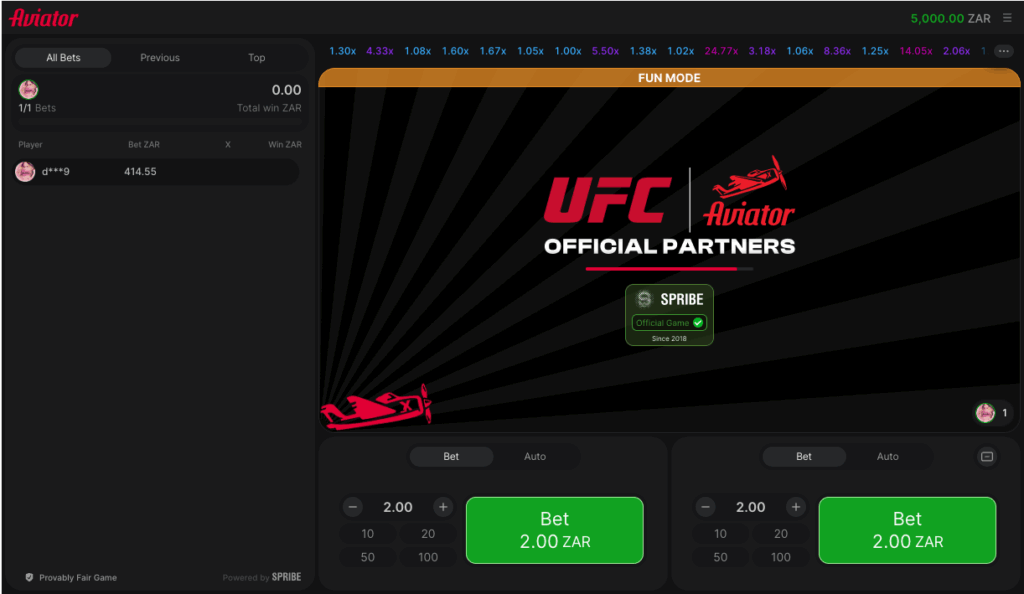
    Aviator leverages it sponsorship of the UFC across all steps of the user journey.

    screenshot of aviator crash game

    Strategic Objectives of Game Branding

    Increasing Game Search Volume

    Branded games see far more direct search traffic than generic titles. When players actively search for a specific game by name, it signals higher intent and engagement, leading to stronger conversion rates. Over time, branded games benefit from growing recognition and loyalty, reducing acquisition costs for providers and operators alike.

    Driving Customer and Affiliate Demand

    Strong branding flips the traditional marketing dynamic. Instead of providers chasing operators, operators start competing to secure access to in-demand games. Affiliates also prefer branded titles because they convert better and retain players longer, making their marketing efforts more effective.

    Creating Operator Launch Momentum

    Branded games can serve as key differentiators when operators launch new platforms or enter new markets. A new release featuring a popular title can attract media coverage and player interest, offering cost-effective promotion while elevating the platform’s profile.

    Enhancing Customer Acquisition for Operators

    Branded games attract players who may not have otherwise discovered a platform. They act as entry points into a broader gaming experience, improving engagement and retention. Their shareable nature and social appeal amplify acquisition efforts far beyond traditional advertising.

    Improving Customer Retention and Lifetime Value

    Memorable, well-branded games foster loyalty and repeated engagement. Players return for the gameplay, the community, and the familiarity. Features like leaderboards and engagement on socials enhance the sense of belonging, further improving retention and increasing player lifetime value.

    Creating Fear of Missing Out (FOMO)

    One of the most powerful levers of branded games is the FOMO effect. Players do not want to miss out on exclusive titles, promotions, or social recognition.

    When a casino does not offer a popular game, it risks being seen as outdated or incomplete, driving players elsewhere. Timed events and limited-access content can heighten this urgency and fuel ongoing engagement.

    For casino games, the best way to do B2B is to do B2C first.

    Marketing Channels for Branded Casino Games

    Video on Demand (VoD) Advertising

    VoD allows targeted messaging during high-engagement viewing experiences. Providers can highlight gameplay and excitement, building brand recognition in a format that favours visual storytelling. Regulatory considerations must be managed, but VoD offers strong reach among valuable audiences.

    YouTube Marketing

    YouTube is a cornerstone for casino game promotion. Both organic content and paid ads perform well, especially when working with content creators who authentically showcase gameplay. The platform’s targeting tools and community features help drive conversions and build long-term player relationships.

    Native Advertising

    By integrating game promotions into relevant editorial content, native advertising reduces ad fatigue and enhances engagement. Strategy guides, entertainment articles, and industry insights that subtly feature branded games tend to perform best, positioning the game as part of a broader narrative.

    Social Media Marketing

    Social platforms enable community building and real-time interaction. A mix of organic content and paid reach helps grow awareness and drive engagement. Successful social strategies emphasize fun, community, and responsible gaming while navigating platform-specific restrictions.

    Public Relations (PR)

    PR positions games within larger industry and cultural stories. Coverage of launches, tournaments, and partnerships can elevate a game’s reputation and credibility. Collaborations with media outlets and advocacy groups further extend the reach and legitimacy of branded games.

    Influencer Marketing

    Influencers help bridge the gap between providers and players by offering trusted, relatable insights. When done well, influencer partnerships drive awareness, educate audiences, and inspire action. Long-term collaborations are most effective, especially when influencers genuinely believe in the game.

    Programmatic Advertising

    Programmatic campaigns offer precision targeting and real-time optimisation. Providers can reach valuable player segments efficiently, maximising ad spend and adapting quickly to performance data. This automated approach ensures consistent reach and responsive marketing at scale.

    Sponsorship

    Sponsorship is another powerful way to boost brand awareness.
    A standout example is Aviator’s partnership with the UFC, where the game’s logo is prominently displayed on the octagon and throughout event broadcasts.

    When done right, smart, targeted sponsorships can be highly effective, especially for expanding B2B partnerships and leveraging affiliates from an operator’s perspective.

    Conclusion: The Imperative of Game Brand Building

    In today’s market, building strong game brands is not optional; it’s a strategic necessity. Licensing external IP is costly and creatively limiting, while proprietary branding delivers long-term value and competitive advantage. Titles like Aviator prove that brand-first development can unlock massive success.

    Investing in game branding means reduced marketing costs (in the medium to long term), higher player retention, greater leverage with operators, and lasting IP value. Branded games also generate urgency and market demand, ensuring optimal placement and promotion across casino platforms.

    The future of casino gaming belongs to those who understand branding as infrastructure, not just advertising. Game providers that embrace this shift will own the most valuable titles and command leading market positions. Those that don’t risk becoming replaceable in a rapidly evolving, brand-driven industry.

    Contact Us

    Book a call with us to discuss marketing your new casino game.

  • PPC Audit for iGaming and Sports Betting

    PPC Audit for iGaming and Sports Betting

    A PPC audit for iGaming and sports betting has some unique quirks that go well beyond a standard audit for other sectors.

    The core reason is that, unlike in eCommerce—where there is a defined price and order value—in iGaming and sports betting, customer value varies significantly. Additionally, some winning customers may have a negative lifetime value.

    As a marketing team, you also work closely with your trading team for sports and the casino product team for gaming.

    Because of these complexities, an industry-specific approach is essential.

    Key to Success – Paid Search iGaming

    With semantic keyword matching and automated AI bidding and targeting, organising your off-platform data is critical for success.

    This involves player analysis and linking players back to clicks from search ad platforms.

    Note: All images are taken from our PPC Audit Deck. If you want the full deck, just message us using the contact forms on the side or at the bottom of this post.

    Time and ROI Metrics

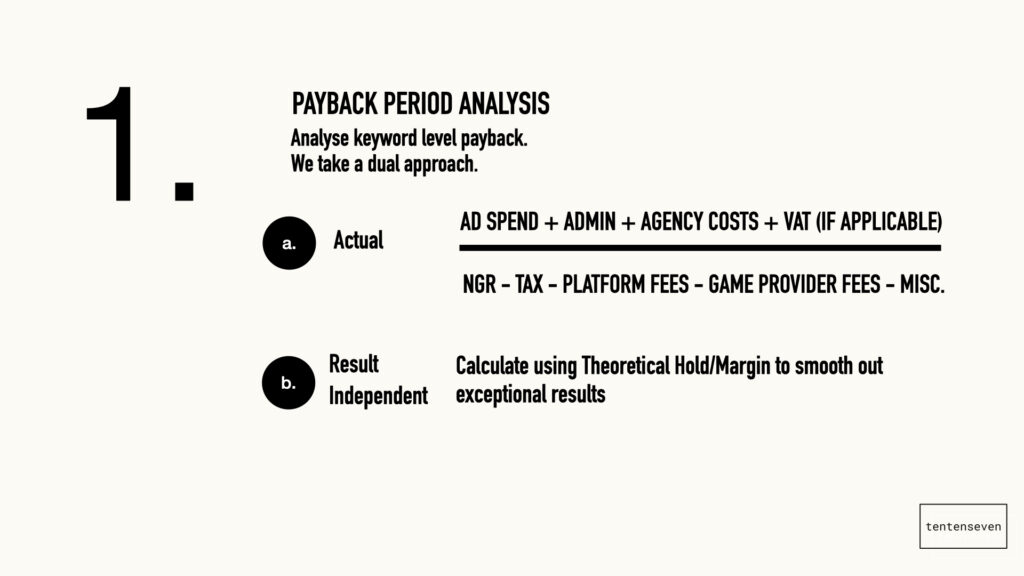
    Surprisingly, outside of a few top-level PPC teams, time-based (annualised return) and ROI metrics—such as the NPV of projected lifetime value—are underutilised.

    From experience, this can often be the deciding factor when allocating budgets between casino and sports campaigns.

    It is also imperative to use theoretical hold and sports margin when analysing performance.

    igaming and sports betting PPC - appraising campaigns

    Additionally, you must consider commercial agreements with platform and game providers, as well as region-specific tax obligations.

    Failing to factor in all costs could lead to misjudgments when comparing products and jurisdictions for budget planning.

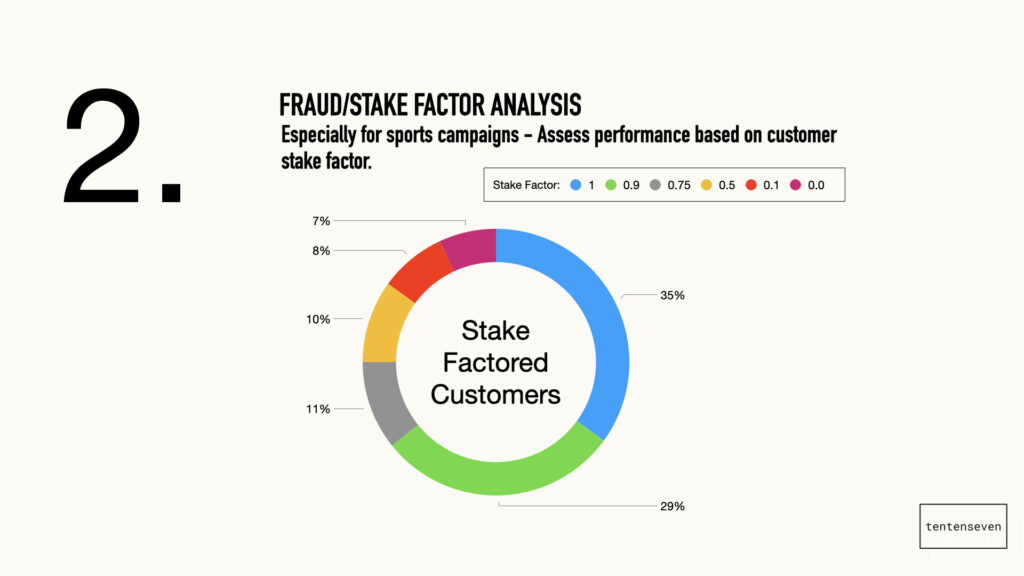
    Fraud and Stake-Factored Customers – PPC Audit for iGaming and Sports Betting

    A key part of any PPC audit for sports betting is stake factor analysis of acquired bettors.

    The quality of a channel can often be quickly assessed by reviewing the extent of stake factoring with your trading team.

    However, as a marketing team, you must also evaluate the customer journey holistically, considering their value across casino and games products.

    You may need to highlight excessive stake factoring on sports bettors who are high-value casino players. While this issue was more common in the past, today, sports traders and risk analysts assess customer activity across all products before aggressively applying stake factors. It is still worth keeping an eye on.

    This is one of the most important industry-specific tasks in a PPC audit.

    The same must also be done for problem gambling and AML markers.

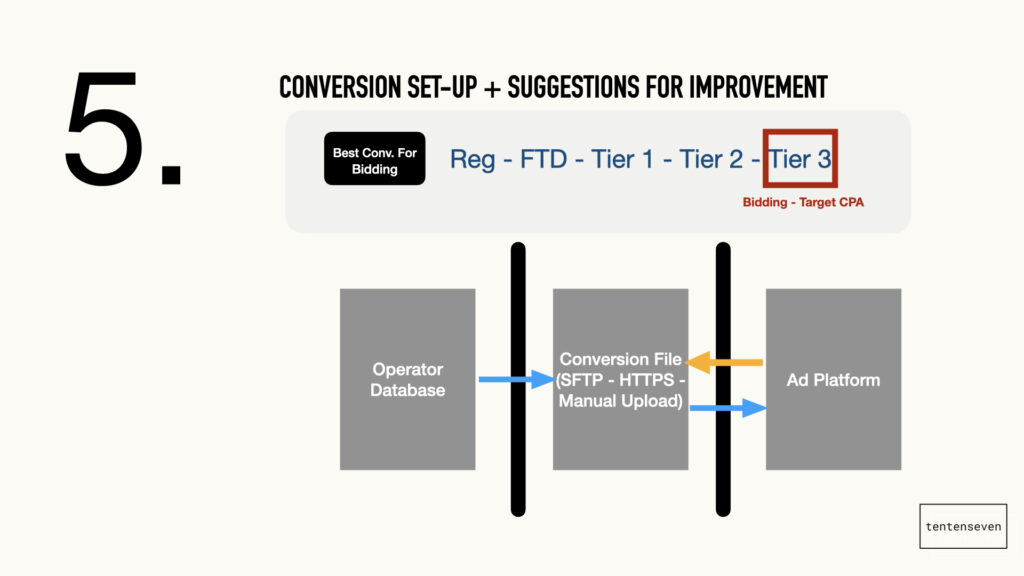
    Using VIP Tiers or More Qualified Customers for Bidding than FTD

    There are two alternative approaches to basic FTD bidding that you should consider:

    1. VIP tiering with a defined average CLV per tier.
    2. Using a value amount for each click ID. (The challenge here is that cookies, GCLIDs, or MSCLKIDs can expire.)

    You must balance consensus definitions across multiple teams while ensuring the approach aligns with the capabilities of ad platforms.

    Yes, conducting a PPC audit requires cross-team collaboration.

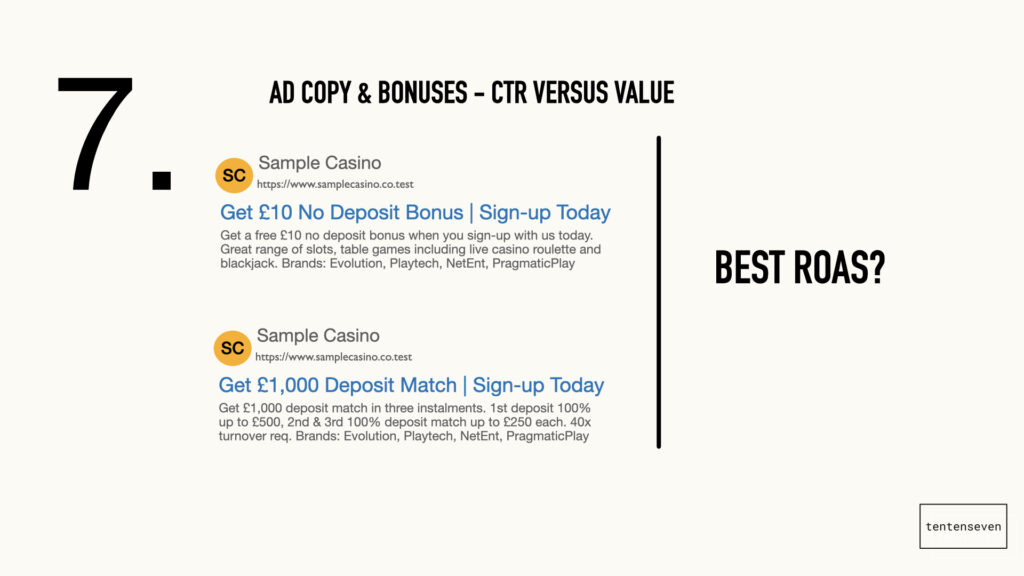
    Lower Click-Through Rates and Quality Score May Be Better for Profitability

    In most industries, improving quality scores is a priority. However, in iGaming and sports betting, the primary driver of click-through rate (CTR) is the offer itself.

    The key to profitability in paid search is avoiding clicks from non-converters or low-value customers.

    An aggressive offer might attract bonus abusers, resulting in a high-quality score but a negative financial return.

    On the other hand, a conservative offer will have a lower CTR (leading to lower quality score) but attract customers more likely to stay engaged, increasing your chances of long-term profitability.

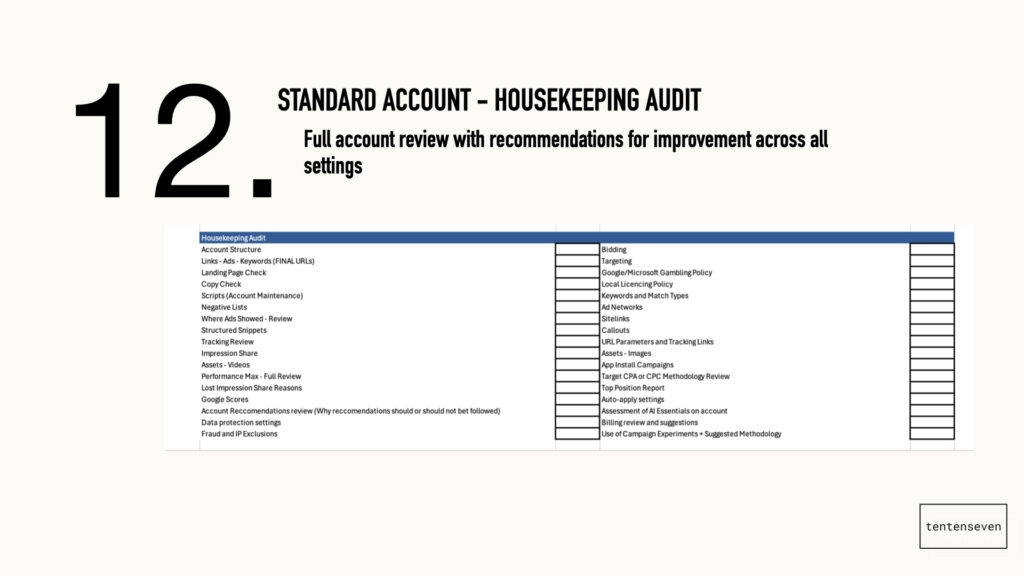
    Don’t Forget the Housekeeping Audit – PPC Audit for iGaming and Sports Betting

    In addition to customer analysis and tracking reviews, you should also run a standard PPC housekeeping audit.

    However, it’s important to integrate this with the industry-specific elements mentioned above.

    If you would like a full rundown of our PPC audit process simply contact us below:

    Message us about our PPC Audit Process

  • Adapting Paid Search Strategies to the UK Gambling Commission’s New Slot Stake Limits

    Adapting Paid Search Strategies to the UK Gambling Commission’s New Slot Stake Limits

    The UK Gambling Commission’s (UKGC) latest regulations introduce strict limits on online slot stakes, with a maximum of £5 per game cycle for players aged 25 and over and £2 for those aged 18-24. These changes will have significant implications for PPC strategies across the iGaming industry, requiring recalibration across automated bidding channels, CRM, and cross-sell strategies. Here’s how operators should adapt their paid search approach to stay competitive and maintain profitability.

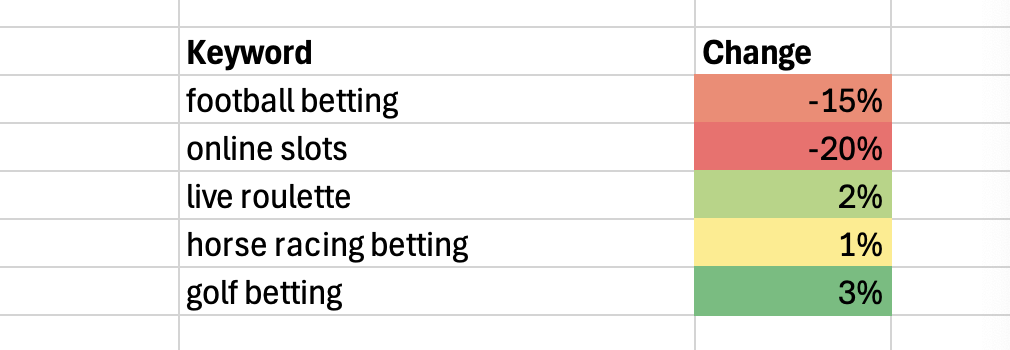
    As a paid search manager, your first priority should be gathering data from your casino team. You need to match the average spin amount with the acquisition keyword, allowing you to assess the potential impact of the UKGC changes on your paid search KPIs.

    fall in player value when UKGC spin limits come into effect

    1. Automated Bidding Adjustments Across Casino and Sports Terms

    Automated bidding models will require major adjustments, not only for casino-related terms but also for sports betting, particularly football. Given that under-25s are a key demographic for football betting, the reduced cross-sell potential into online slots needs to be factored in. 

    The £5 game cycle limit will also impact older players and in some higher-value players reduce the likelihood that they will continue to play. 

    Operators should:

    • Adjust automated bidding strategies to account for lower potential value from younger customers.
    • Monitor football-related terms more closely to evaluate shifts in player behaviour. They are likely to skew younger than horse racing.
    • Implement bid adjustments based on age-related segments (manual campaign experiment).
    keyword customer value change UKGC slot spin limits

    2. Table Games & Live Casino Considerations

    While the new regulations directly impact slot play, table games and live casino games may also be impacted.

    1. Spin limits reduce play across all games
    2. Slot players may be open to try other games more frequently.

    It’s crucial to:

    • Analyse search term data to see if players shift from slots to alternative products.
    • Adjust PPC strategies to optimise for high-value table game and live casino players.
    • Identify opportunities for retention marketing to engage affected slot players.

    3. Impact on Bonuses, Offers & CRM

    Bonuses and offers will likely see a knock-on effect due to changes in slot play behaviour. With lower stake limits reducing overall player value, CRM teams need to reassess retention and engagement strategies:

    • Refine promotional strategies to maximise lifetime value (LTV) under the new rules.
    • Consider targeted bonuses for high-value players who may shift preferences to Live Casino.
    • Evaluate the impact on loyalty programs and tailor messaging accordingly.

    4. Demographic Targeting Reassessment

    For example, high-value female slot players represent a significant segment that will be impacted by these stake limits.

    To mitigate risks:

    • Operators should run 50/50 campaign experiments with manual targeting and bidding.
    • Allocate 50% of the budget to manual bidding while allowing automation to adjust over time.
    • Closely analyse performance to determine the most effective bidding strategy for different demographics.

    5. Recalibrating Conversion Tracking

    With shifting player behaviours, conversion tracking needs an overhaul. Additional conversion points should be integrated to capture meaningful engagement signals, such as:

    • Time spent on site and session depth.
    • Engagement with alternative casino products.
    • Deposit behaviours following slot play.

    6. Adjusting Projections to Reflect the New Landscape

    Operators must revise revenue and player value projections to reflect these changes. Key actions include:

    • Updating LTV models to accommodate lower stakes per game cycle.
    • Adjusting CPA (Cost Per Acquisition) benchmarks based on new player value calculations.
    • Refining budget allocation between acquisition and retention campaigns.

    7. Conducting Competitor Analysis

    To stay ahead of the competition, it’s essential to analyse how other operators are adjusting to the UKGC’s new regulations:

    • Monitor ad copy changes to detect shifts in promotional messaging.
    • Track competitors’ keyword strategies and bid adjustments.
    • Benchmark performance data to identify emerging trends in player behaviour.

    Conclusion

    The UKGC’s stake limit regulations will fundamentally alter the UK iGaming market, requiring a complete re-evaluation of paid search strategies.

    By recalibrating automated bidding, adjusting KPIs, refining conversion tracking, and closely monitoring market trends, operators can navigate these changes effectively.

    A proactive approach will ensure sustained profitability and long-term growth in an evolving regulatory landscape.

    We can help with our detailed igaming and sports betting paid search audit service.

    Find Out More About Our Detailed iGaming & Sports Betting PPC Audit

  • Launching a New Sweepstakes Casino – Guide

    Launching a New Sweepstakes Casino – Guide

    When launching a sweepstakes casino, it’s hugely beneficial to get your ducks in a row from the start.

    Doing so will help you gain traction post-launch and position you to scale more quickly.

    In this post, we’ll look at the core areas you need to consider when launching a sweepstakes casino.

    Introduction Sweepstakes Casinos

    Sweepstakes casinos have seen explosive growth in the United States, achieving an estimated 75% compound annual growth rate (CAGR) from 2019 to 2024, and reaching a market valuation of approximately $4 billion. This surge is largely attributed to their innovative business model, which allows players to enjoy casino-style games without direct real-money wagering, effectively navigating complex gambling regulations. Prominent brands in this thriving sector include Stake.us, WOW Vegas, High 5 Casino, and Luckyland Slots.

    The appeal of sweepstakes casinos lies in their ability to offer legal, risk-free gaming entertainment, coupled with the potential to win real prizes through sweepstakes entries.

    Concurrently, real money gaming (RMG) arcade competitions and social casinos are also experiencing increased popularity. Social casinos provide free-to-play games where players can purchase in-game currency without any real-world monetary value, delivering an engaging gaming experience devoid of financial risk. These platforms often incorporate arcade-style features, such as daily bonuses, tournaments, and competitive leaderboards, to enhance player engagement and retention.

    The lines between RMG and social gaming are increasingly blurred, as operators explore strategic partnerships to integrate real-money elements into social gaming experiences. This convergence aims to attract a wider audience and foster greater player loyalty.

    So, it is understandable that sweepstakes casinos are one of the most popular discussion points at igaming conferences.

    Many people from both the mobile gaming and igaming spaces are looking to establish their own sweepstakes casino.

    Here is an overview of this, especially focused on the marketing planning side of your launch.

    Platform and Games

    Selecting the right platform and games for a social or sweepstakes casino in the U.S. requires careful planning, market research, and regulatory considerations. Here’s a step-by-step guide to making the right choice:

    1. Understand Regulatory Compliance

    Sweepstakes casinos operate under unique legal frameworks, often using “sweepstakes” models to allow players to participate without direct gambling. To ensure compliance:

    • Research state laws on sweepstakes gaming.
    • Choose a platform that adheres to legal requirements (e.g., offering free entry methods).
    • Consult legal professionals for compliance verification.

    2. Choose the Right Platform Provider

    Selecting a platform provider is crucial for backend functionality, security, and scalability. When evaluating providers, consider:

    • Customization & Branding – Can you white-label the platform to fit your brand?
    • User Experience (UX) – Is the interface intuitive, mobile-friendly, and engaging?
    • Game Variety – Does the platform support a diverse range of games?
    • Security & Payments – Secure transactions and compliance with sweepstakes cash redemption models.
    • Marketing & CRM Tools – Loyalty programs, referral bonuses, and analytics to retain players.
    • Scalability – Can it handle growth as your user base expands?
    • iOS and Android Apps – This makes both user acquisition and retention much easier and increases your chances to grow rapidly.

    Top platform providers for sweepstakes casinos include:

    • Pragmatic Solutions (iGaming platform for social and sweepstakes casinos)
    • SoftSwiss (known for crypto and sweepstakes gaming solutions)
    • White Hat Gaming (offering turnkey casino solutions)
    • BetConstruct (supports virtual casino and sweepstakes models)

    If you want to learn more about which platform is best for you, we are happy to have a discussion.

    3. Select High-Quality Game Providers

    Offering popular and engaging games is key to user retention. Look for providers that specialize in social and sweepstakes gaming. Key criteria include:

    4. Define Your Game Mix

    • Slot Games: Players expect a strong slot selection with various themes and bonus features.
    • Table Games: Blackjack, roulette, and poker add variety.
    • Live Casino Games: High engagement and interactive experience.
    • Arcade & Crash Games: Increasingly popular, especially for younger demographics.

    5. Test & Optimize Before Launch

    • Conduct beta testing to ensure smooth gameplay.
    • Gather user feedback and refine the platform.
    • Implement a robust customer support system.

    It is key to do your preparation work in order to avoid issues down the line.

    Marketing Your Sweepstakes Casino

    So, you have your sweepstakes casino live now you just need to market it. Well, it’s not that simple. Your marketing preparation should have started before you launched. There are two key areas that you should have started before launch.

    They are:

    1. Marketing Tech and reporting integration
    2. SEO audit and technical set-up

    Marketing Tech and Reporting Integration for Sweepstakes Casinos

    1. Customer Relationship Management (CRM) System
    A CRM is vital for tracking user behavior, automating engagement, and personalizing experiences.

    Your CRM Platform Should Have:

    • Automated email and SMS marketing
    • Player segmentation (VIPs, frequent players, inactive users)
    • Trigger-based engagement (e.g., bonuses)
    • Multi-channel marketing (email, push, in-app messaging)

    You should consider a platform like Xtremepush, Optimove, Customer.io or Symplify.

    We can give you some pointers based on your unique requirements. Just drop us a note and we will respond to start the conversation.

    2. App Attribution Platform

    This is overlooked by so many new sweepstakes casinos. Basically, in order to optimize your app ad campaigns you need a fully integrated app attribution platform.

    Examples are AppsFlyer or Kochava. In 2025 these should be non-negotiables.

    3. Full API integration with Ad platforms and Reporting Dashboards

    In reality, in today’s environment optimizing outside the ad platform is just as important as optimizing on the ad platform. As a result, integrating conversions across the marketing mix is essential. You need to have a clear picture to assess ROI and make campaign decisions.

    Search Engine Optimization (SEO) for your Sweepstake Casino

    SEO is a massive opportunity for sweepstakes casinos. Especially considering ad policy across networks. Ranking well on a state by state basis can deliver significant growth alone.

    So, before you launch, you should complete a technical SEO audit, as well as begin building out your site structure and the number of crawled and indexed pages.

    Here are some tips on SEO for sweepstakes casinos.

    Advertising Your Sweepstakes Casino

    Each platform has a different policy across each state for sweepstakes casinos. As a result, you should ensure compliance in order to get accounts/ads approved and live. In some cases, you should consider a number of online ad networks, depending on state-level policy.

    For example:

    • Meta/X
    • Google Ads
    • Microsoft Ads
    • Apple Search Ads
    • Programmatic
    • Native

    The key to success is ensuring best practice MarTech and reporting is put in place. This is essential as AI targeting and creative continue to increase in prominence.

    So, if your MarTech is not up to scratch you are at a serious disadvantage.

    Again your approach will depend on how your redemptions are set up, the type of games you offer and if you are 100% skill based or not (so not a true sweepstakes casino, there is a different approach for 100% skill-based arcade sites).

    Conclusion – Launching Sweepstakes Casino

    Building a thriving sweepstakes casino in the U.S. demands a meticulous blend of regulatory adherence, strategic marketing, engaging player experiences, and cutting-edge technology.

    Navigating the Regulatory Landscape:

    Compliance is paramount. Operators must meticulously structure their platforms to align with sweepstakes laws, ensuring free entry methods and appropriate virtual currency frameworks. Seeking expert legal counsel and staying abreast of evolving regulations are crucial for avoiding costly legal pitfalls.

    Driving Player Acquisition:

    Effective advertising and acquisition strategies are vital for attracting a robust player base. While platforms like Meta and Google impose restrictions on traditional casino advertising, savvy operators leverage social media ads, app install campaigns, influencer collaborations, and affiliate marketing. Crafting compelling, compliant messaging that resonates with the target audience is key.

    Enhancing Player Retention:

    Retaining players is just as critical as acquiring them. Personalized promotions, VIP programs, push notifications, and gamification elements foster sustained engagement. A robust CRM system enables seamless segmentation, automation, and tailored experiences that maximize player lifetime value.

    Leveraging MarTech for Success:

    Integrating advanced analytics dashboards, chatbots, and automation tools provides invaluable insights and enhances the overall user experience.

    SEO optimization is essential for organic discoverability. Targeting high-intent keywords, creating compelling content, and optimizing on-page elements drive long-term traffic, reducing reliance on paid advertising.

    Ultimately, success in the U.S. sweepstakes casino market hinges on a data-driven approach, unwavering compliance, innovative marketing, and a laser focus on player retention. By executing a comprehensive and well-rounded strategy, operators can cultivate a sustainable and highly profitable gaming platform.

  • Meridian from Google: Open Source MMM Initial Reaction

    Meridian from Google: Open Source MMM Initial Reaction

    Today, Google opened up Meridian, their new Marketing Mix Modeling (MMM) tool, to the general public. This is an interesting development, to say the least. It had been in closed beta for a while, so it’s great to finally see what’s under the hood.

    As a former marketing student, I remember when Media or Marketing Mix Modeling was seen as something done by old-school agencies and marketing departments before the rise of the Internet.

    However, the more practical experience you gain running campaigns, the more you see the need for a deeper understanding of performance. Simply put, attributing results to the “halo effect” is a lazy explanation.

    According to Google’s documentation, “Meridian uses a Bayesian framework and Markov Chain Monte Carlo (MCMC) algorithms to sample from the posterior distribution.”

    So, why has Google built an MMM tool?

    In summary, to make it easier for marketing teams to secure more budget for YouTube and Google ATL ad products.

    Essentially, marketing teams must build a case for ad spend, which is particularly challenging for video and programmatic channels. The reason for this is that users typically view ads and convert at a later time.

    Even in 2025, many financial decisions are still made based on measuring clicks, even though this does not account for the entire marketing mix. Marketers need more advanced tools to justify budgets for upper-funnel ATL campaigns.

    Search and Other Google Owned Platforms

    Some campaigns and sectors see research and upper-funnel terms deliver strong performance when modeled correctly. Even high-cost generic search terms can drive direct or in-store sales without registering conversions on the ad platform or online tracking tool.

    The Problems with MMM and Regression Analysis

    The core issue that typically arises is the age-old correlation versus causation question.

    Additionally, measuring the long-term impact of advertising frequency combined with organic social marketing is extremely challenging.

    For example, it could take five or more years of continuous campaigns to reach the critical mass needed to build a brand that generates significant conversions from direct website traffic or point-of-sale (POS).

    In theory, using MMM data and incorporating correlation test groups could provide clearer insights into the effectiveness of each channel. However, in practice, the time horizon of marketing effectiveness will likely blur the results.

    Advertising is a Subset of Marketing – Paid Media Is Only a Part of Marketing Success

    A viral video, a founder with millions of followers, a brand with strong consumer trust that doesn’t advertise, organic marketing, SEO, and other non-paid strategies can sometimes be more impactful than paid media in the marketing mix.

    MMM often struggles to account for these factors. There are countless case studies of brands driving revenue through non-paid media sources, but measuring their impact alongside paid media remains challenging.

    As a result, MMM cannot provide a complete picture.

    The Broad Marketing Mix – Self-Service Platforms

    Real-time self-service platforms do require a degree of MMM, as it helps marketers get closer to the truth. The marketing mix available to most companies has never been this large.

    Brands now have access to Spotify, YouTube, social media, programmatic ads, native ads, push and pop notifications, app install ads, VoD, TV, radio, search, and even outdoor advertising—all on demand. MMM is a valuable method for evaluating channels, but it’s important to remember that it’s not the be-all and end-all.

    Ultimately, you are optimizing the thought process and emotions of your customer.

    As experienced advertisers say: your product or service is not the product—your customer is.

    Meridian from Google Conclusion

    Hopefully, this will help marketers secure more budget for upper-funnel campaigns. However, if this works as intended in an ideal world, lower-funnel ad auctions on Google Search might become less competitive—though this is unlikely.

    You can check out Meridian on Google’s developer site or GitHub.

    Overall, because Meridian is backed by Google’s credibility, marketers can use it to justify decisions and request additional budget—even from the most risk-averse and cautious C-suites.

    The kind of thing your CEO, CFO, and COO will appreciate.

  • United in Agreement: The Importance of Flexible Marketing Objectives

    United in Agreement: The Importance of Flexible Marketing Objectives

    It’s only thirteen days ago that Manchester United boss Ruben Amorim stated that “it was really clear” that his side were in a relegation battle. Fast forward a little under two weeks, and his team have battled to a creditable draw at Anfield – against arguably the world’s most in-form side – and knocked Arsenal out of the FA Cup after an epic clash at the Emirates. 

    Change in the Odds

    Their odds for relegation have lengthened from 40/1 to 66/1 in the interim period and suddenly, whisper it quietly, things are looking up at Old Trafford. There have been many false dawns in the post-Alex Ferguson era at United and it is hard to argue against this being another one.

    However, in under a fortnight, United fans have gone from pondering whether there are three worse sides in the top flight to dreaming of cup success and an ascent up the table. 

    What a Difference a Week Makes

    United’s latest turnaround of fortune is a perfect example of how campaign objectives can change. Just as a football team must adapt its strategy and objectives in response to the ever-changing dynamics of a season, so too must marketing campaigns be flexible to the ever-shifting landscape of consumer behaviour, market conditions and organisational goals. 

    For example, a campaign initially designed to boost brand awareness may pivot towards driving conversions if early metrics indicate a strong engagement but low sales. This flexibility in objectives is not a sign of failure but a critical component of effective marketing strategy. Many companies are guilty of rigidly sticking to campaign objectives despite insights gathered from customer feedback and data analysis which indicate a change in strategy is required.

    Contact us now at tentenseven to discuss your organisation’s marketing objectives and how they can – and should – change over time.